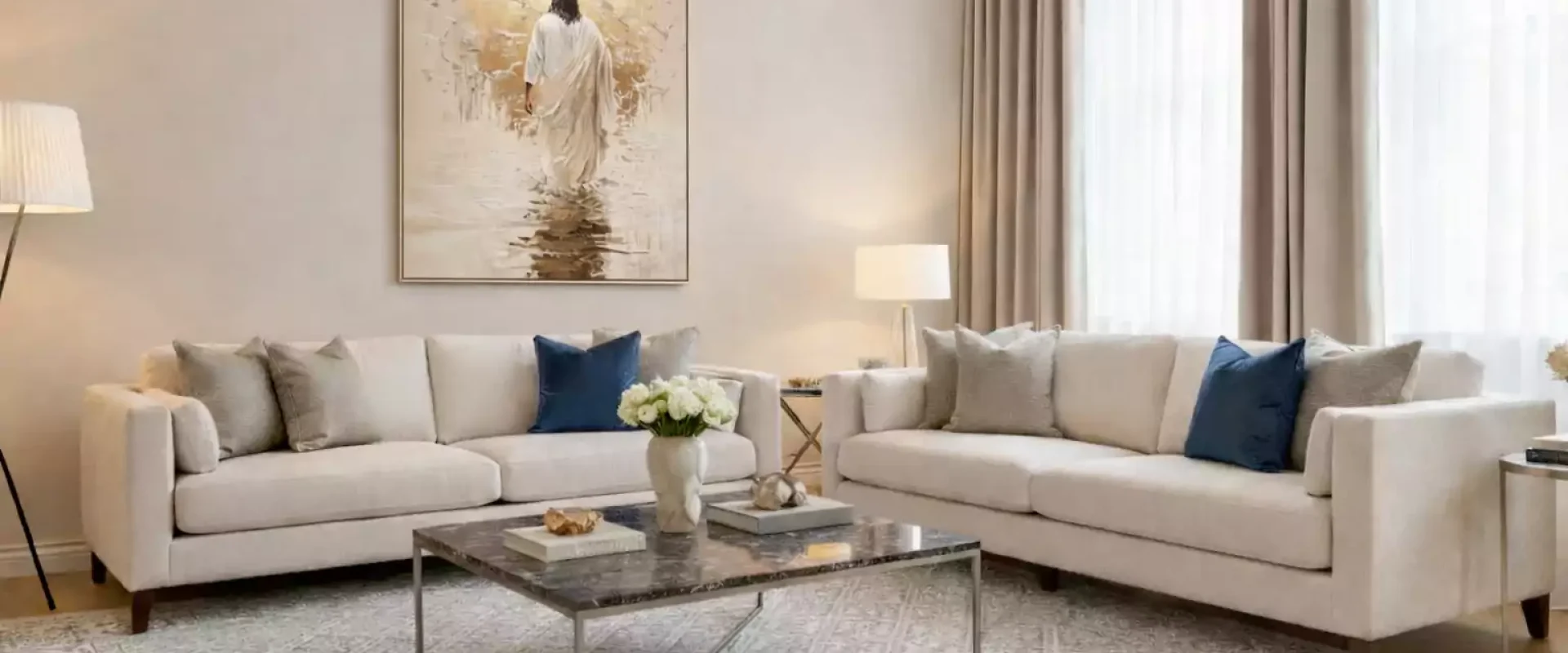
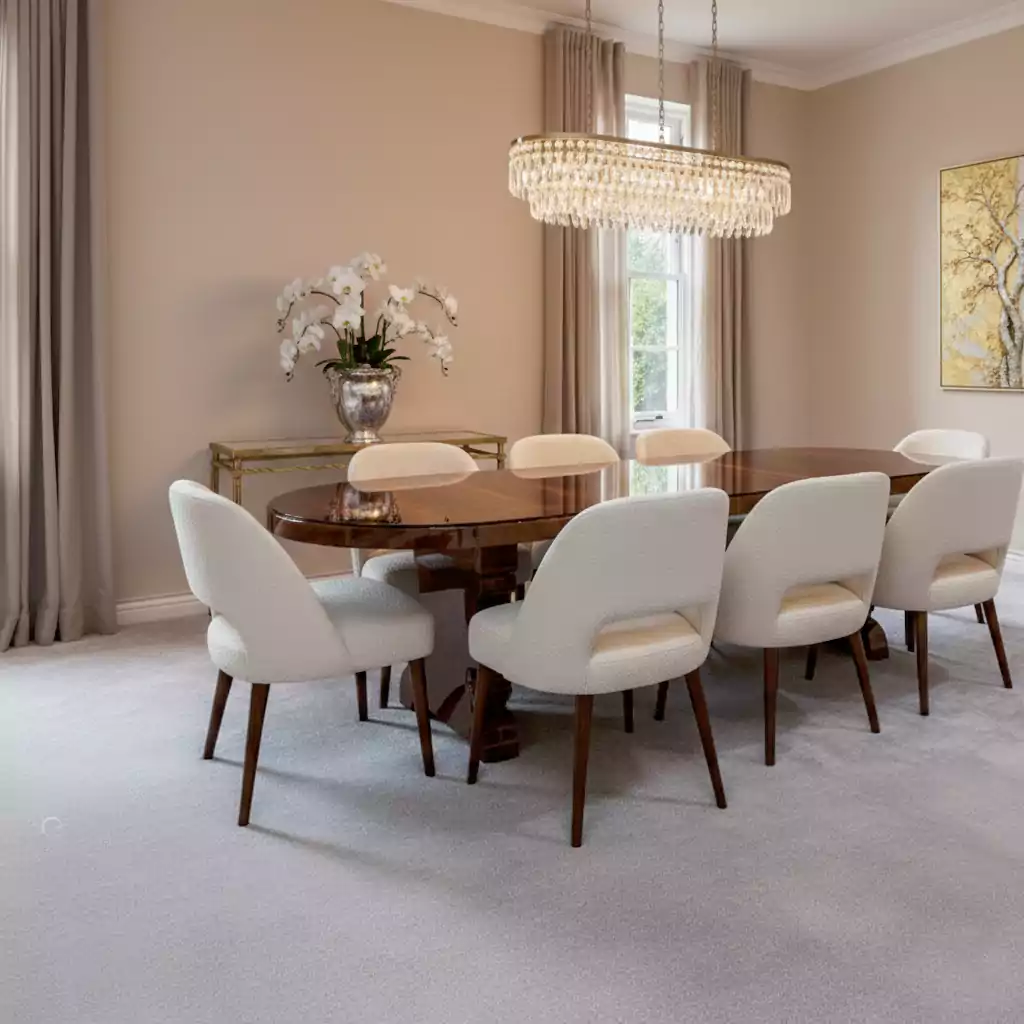
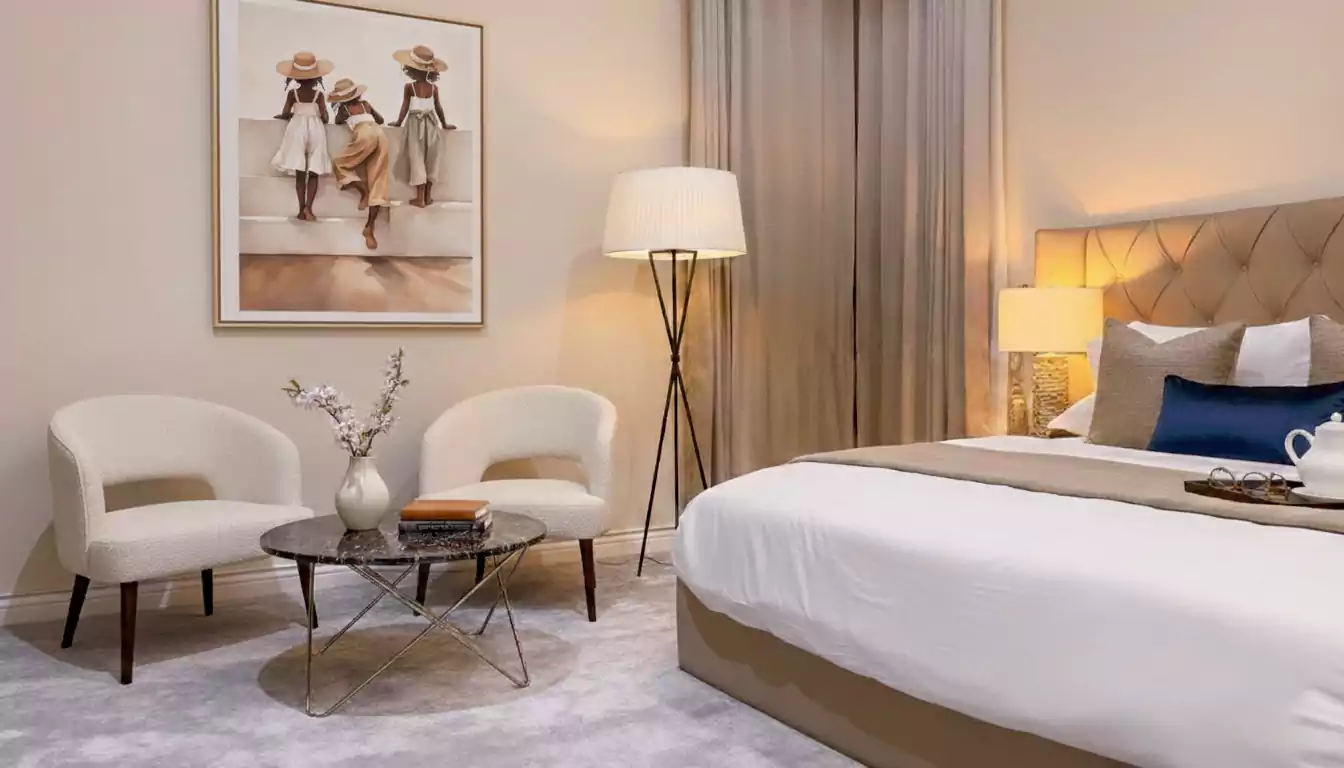
Family homes often accumulate objects before they establish order. This study treats restraint as structure rather than style.
The emphasis shifts from decoration toward proportion, circulation, and alignment. These are the quiet systems that determine whether a home feels composed or congested.
Quiet zoning without partitions
Rooms remain open yet defined. Ceiling articulation, aligned joinery, and calibrated furniture placement establish hierarchy without blocking sightlines.
Circulation as a constant
Movement through the home feels intuitive rather than negotiated. Primary sightlines remain unobstructed.
Storage as architecture
Order embeds into walls and built elements so that organisation is inherent rather than imposed.
Material continuity
A restrained palette reduces competition. Repetition creates cohesion. Surfaces speak to one another rather than over one another.